

Intelligent Buoyancy Control System for Submersible Ocean Devices
Student Researcher
Emily Lossman
Stevens Institute of Technology
Faculty Advisor
Dr. Jia Mi
Assistant Professor Department of Civil, Environmental, and Ocean Engineering
Stevens Institute of Technology
Why This Research Matters
As ocean technologies continue to evolve, autonomous underwater systems are becoming increasingly important. Intelligent buoyancy control can reduce operational costs, improve deployment flexibility, and enable devices to function independently for extended periods of time.
This technology has the potential to support a wide variety of future applications, including underwater monitoring platforms, autonomous marine vehicles, subsea inspection systems, and sustainable seaweed farms. Reliable buoyancy control could also help advance efforts in carbon sequestration, renewable biofuel production, and sustainable food systems by improving the efficiency of ocean-based farming technologies.
Project Overview
Autonomous buoyancy control is a key technology for underwater systems, allowing devices to maintain and adjust their depth without constant human supervision. Reliable depth regulation is essential for applications ranging from environmental monitoring and oceanographic research to underwater robotics and sustainable marine farming.
Through support from a STEMNetX Research Grant, Emily Lossman is conducting research under the mentorship of Dr. Jia Mi to investigate the feasibility of an intelligent buoyancy control system for submersible ocean devices. The project combines engineering design, computer programming, and simulation to develop a system capable of autonomously maintaining and adjusting depth in dynamic marine environments.
Building on previous research involving depth-cycling seaweed farms, this project seeks to address one of the most significant engineering challenges preventing broader implementation of these systems: reliable autonomous buoyancy control.
Research Goals
The objectives of this project include:
Designing a buoyancy-adjustable system capable of regulating its position within the water column.
Integrating sensors, actuators, power systems, and onboard control electronics into a unified design.
Developing software that enables autonomous depth control and system stability.
Simulating system performance to evaluate feasibility and expected behavior before physical implementation.
Supporting future applications in underwater robotics, environmental monitoring, and sustainable ocean farming.
Meet the Research Team
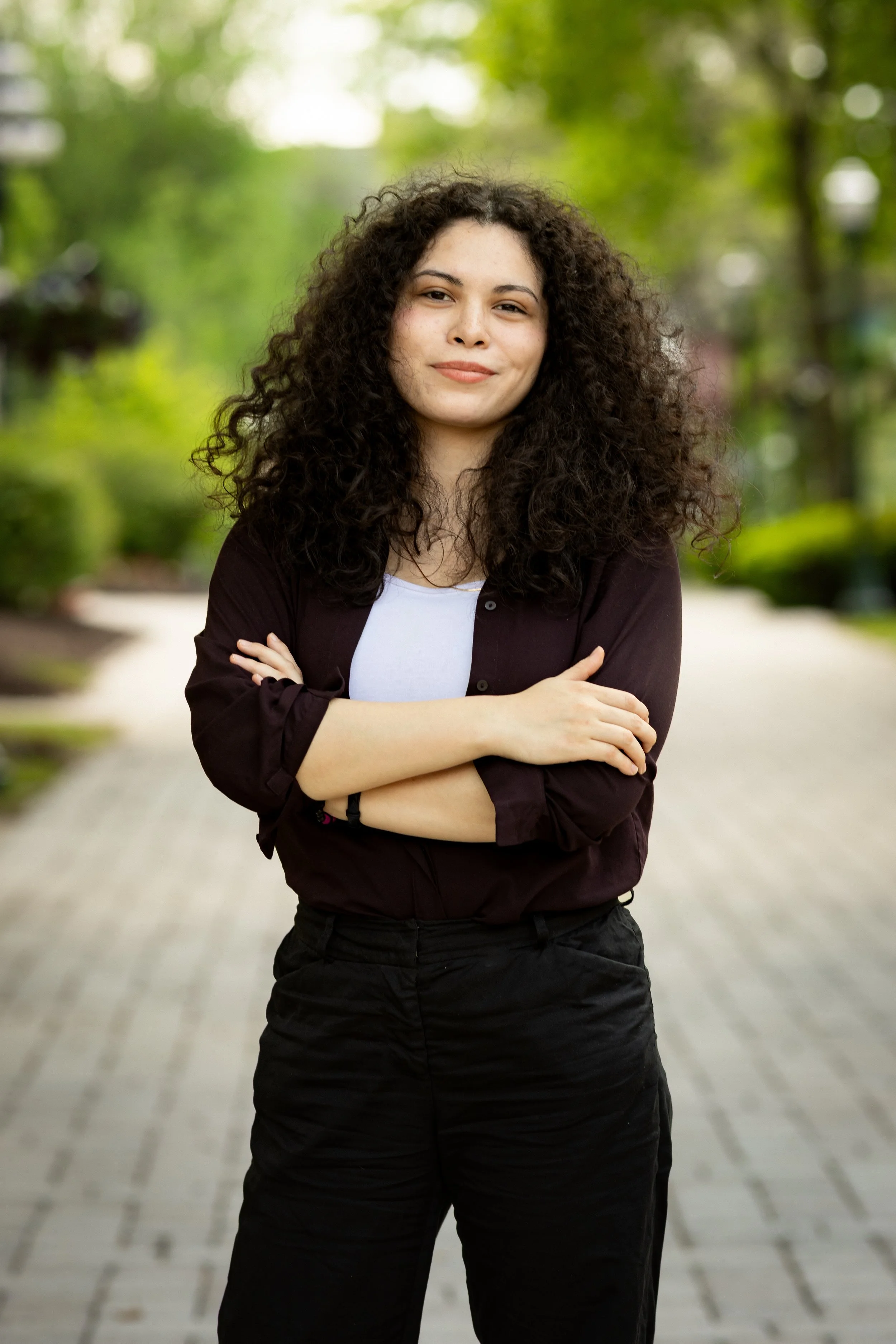
Emily Lossman
Emily Lossman is studying Naval Engineering at Stevens Institute of Technology in Hoboken, NJ, where she also intends to achieve an M.E. in Ocean Engineering. Emily has been working on marine energy projects on campus since her first year at Stevens and will continue to contribute to renewable energy projects and sustainable development in the coming years. On campus, Emily is a founding member of the 2025 Promoting Electric Promotion winning team Stevens Electric Boatworks and is the manager of its Research & Development sub team. She is also leading Stevens’ 2026 Marine Energy Collegiate Competition team, AquaEmpower, whose project is based on her design for the 2025 PSEG Undergraduate Research Scholars for Environmental Justice summer fellowship. The team is partnering with the clubs Habitat for Humanity and Service, Activism, Volunteering, and Engineering (SAVE) to further contribute and bring awareness to urgent matters of sustainable development and renewable energy in engineering. As a woman living with disability, Emily works to ensure that her designs are accessible to all intended users. She has a personal interest in biomedical engineering, both outside of and in relation to naval engineering, which inspired her to apply for the STEMNetX Fellowship for its Biotechnology focus.
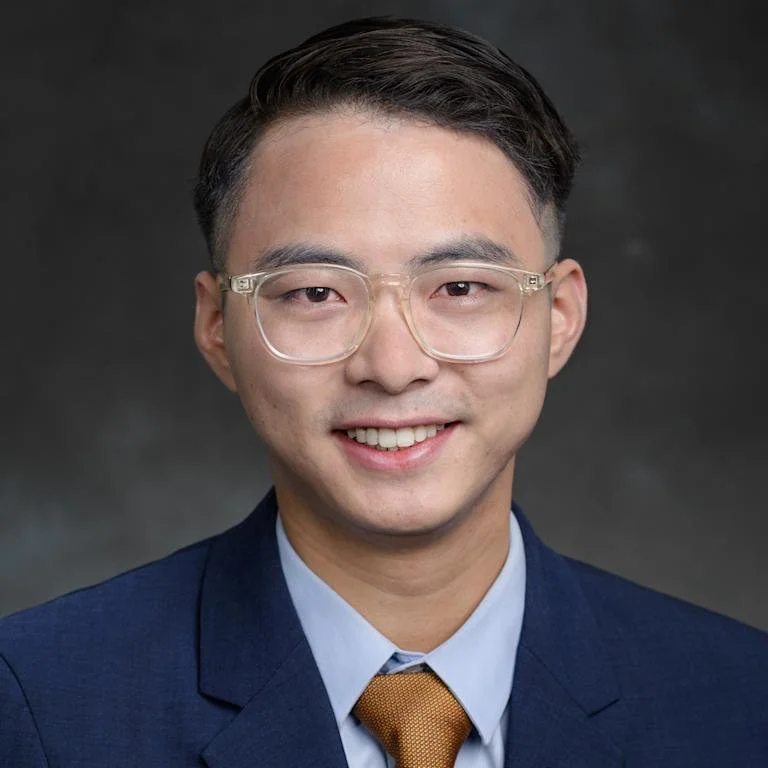
Dr. Jia Mi
Dr. Jia Mi is an Assistant Professor in the Department of Civil, Environmental, and Ocean Engineering at Stevens Institute of Technology. His primary research focuses on marine energy and the blue economy, with a strong emphasis on interdisciplinary collaboration and innovation. With a multidisciplinary educational background and a proven track record, his research expertise spans fluid-structure interaction, energy harvesting, vehicle dynamics, vibration and control, robotics, and automation. Dr. Mi earned his Ph.D. from the University of Michigan, Ann Arbor. He holds an M.S. in Mechanical Engineering from Virginia Tech—where he received the Paul E. Torgersen Graduate Student Research Excellence Award—and a B.S. in Automotive Engineering from Wuhan University of Technology. Dr. Mi is the founding director of the Advanced and Intelligent Energy Lab. Dr. Mi serves as the Associate Director at Stevens site of the NSF Industry-University Cooperative Center for Growing Ocean Technology and the Blue Economy. Dr. Mi is the recipient of the 2026 OTC Emerging Leader Award.
STEMNetX Impact
The STEMNetX Research Grant program supports undergraduate students and faculty mentors as they pursue innovative research projects that address real-world challenges. Through this project, Emily Lossman is developing valuable skills in engineering design, programming, modeling, simulation, and systems integration while exploring technologies that could shape the future of ocean engineering.

We are proud to support Emily Lossman and Dr. Jia Mi as they advance research that promotes innovation, sustainability, and the next generation of marine technologies.